From Family Business to $240M Manufacturer: Inside Private Equity’s Transformation
October 6, 2026
At A Glance
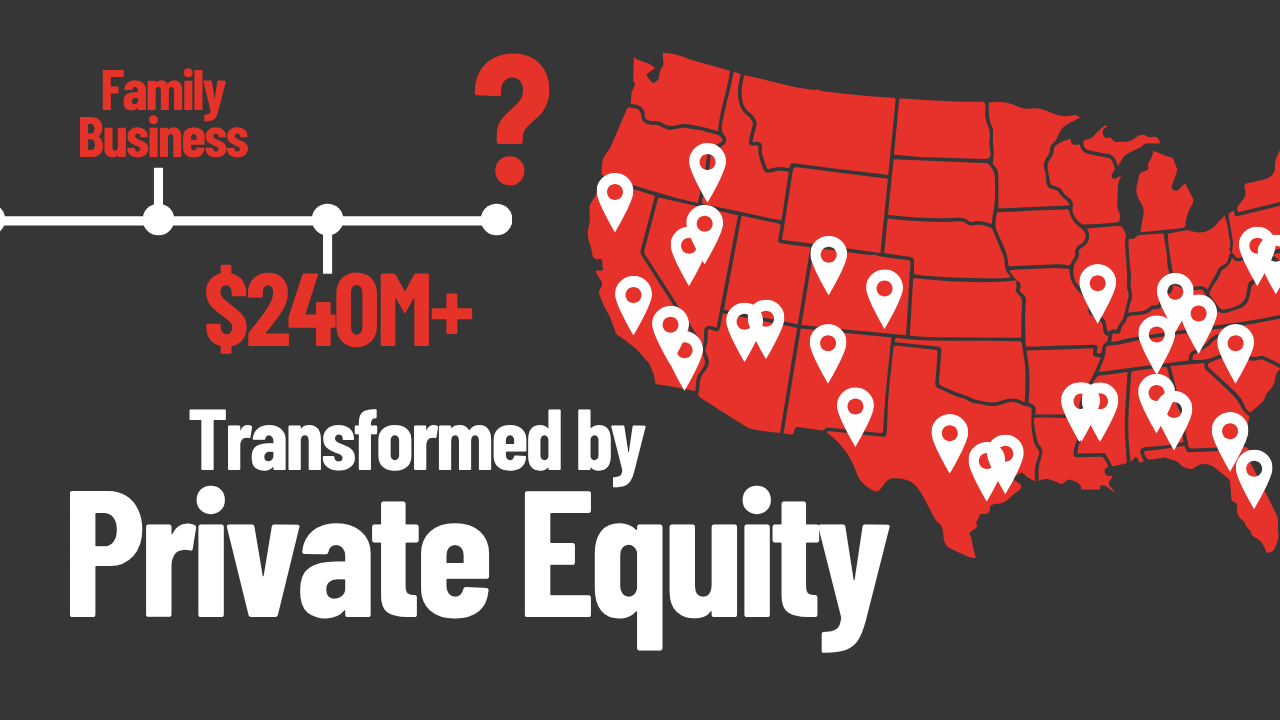
When MiddleGround Capital acquired Lindsay Precast in 2021, the family-owned manufacturer was generating roughly $100 million in revenue. Four years later, the business had grown to more than $240 million and was acquired by The Jordan Company.
The growth itself makes the investment worth examining, but the decisions behind it are perhaps more interesting. MiddleGround retained Ron Lindsay, the second-generation family CEO, and the business completed just one major acquisition during the ownership period. Much of the value creation came through improvements to pricing, procurement, manufacturing processes and the leadership structure supporting the business.
These were practical changes that could easily attract less attention than a substantial acquisition programme. Together, however, they helped turn an established family business into a larger, more professionalised manufacturing platform serving some of the fastest-growing infrastructure markets.
The story demonstrates how private equity can build on what already makes a business successful while addressing the limitations preventing it from becoming significantly larger.
Part One: Keeping the Chief Executive
Lindsay Precast manufactured engineered precast concrete and steel products used across water infrastructure, utilities, transportation and renewable energy. When MiddleGround invested, Ron Lindsay was leading a business with an established identity, considerable industry knowledge and a history spanning approximately six decades.
A change in ownership could have prompted a change at the top. Instead, MiddleGround retained Ron throughout its ownership period, preserving the experience and continuity he brought to the organisation.
That decision did not mean the existing operating model would remain unchanged. Lindsay was a relatively decentralised business, with individual locations retaining considerable autonomy. As the company grew, its finance function, management structure and operating processes needed to develop alongside it.
The question was therefore how to build around the existing chief executive. MiddleGround needed to preserve the strengths that had helped Lindsay succeed while introducing the capabilities required to run a larger, more complex organisation.
For a family-owned manufacturer entering private equity ownership, that distinction mattered. Professionalisation could build on the company’s existing knowledge and relationships, provided the business also addressed the systems and leadership gaps that might constrain its next stage of growth.
Part Two: Improving the Economics
MiddleGround describes itself as an operationally focused investor, with its operating team working alongside portfolio company management to deliver improvements. At Lindsay, that approach translated into changes affecting the everyday economics of the business.
Pricing was one of the first areas addressed. When material costs increase, manufacturers can find themselves absorbing those changes if their customer agreements do not allow prices to move accordingly. Lindsay introduced terms and conditions that enabled pricing to adjust with material costs, protecting profitability as those costs changed.
According to the operating information discussed in the video, this generated more than $3 million in additional profit. The improvement came from greater pricing discipline within the existing business, without requiring an acquisition or entry into a new market.
Cost reduction followed a similarly practical approach. Rather than relying solely on an external consultant to identify savings, Lindsay established an internal cost-saving team. That team generated millions of dollars in savings during its first year, followed by further savings in the second.
The significance extended beyond the initial financial result. Lindsay was developing the ability to identify inefficiencies and implement improvements within its own organisation, creating a capability the business could continue to use as it expanded.
Kaizen work also targeted manufacturing processes, including areas where disruption was affecting production and logistics. One logistics project delivered more than half a million dollars in annualised EBITDA improvement, illustrating how a focused operational change could make a meaningful contribution to profitability.
Safety improved during the ownership period as well. MiddleGround reported that Lindsay’s recordable incident rate fell from 8.13 at acquisition to 3.67 at exit. Alongside the direct importance of protecting employees, improving safety supported the broader effort to establish more consistent and disciplined operations.
Part Three: Growing Beyond the Existing Business
Operational improvements strengthened profitability, but they were only part of the explanation for Lindsay’s revenue growth. The business also expanded its capabilities and increased its exposure to markets where demand was growing.
In 2022, Lindsay acquired Dutchland, adding engineering, manufacturing and installation capabilities focused predominantly on water and wastewater infrastructure. This was the major acquisition within the investment period, extending the platform’s offering and creating opportunities to introduce each business’s capabilities into the other’s markets.
The acquisition therefore had a clear strategic purpose. It broadened what Lindsay could deliver and where it could compete, supporting the development of a more comprehensive infrastructure manufacturing business.
Alongside Dutchland, Lindsay expanded manufacturing capability and pursued opportunities in renewable energy and infrastructure. Utilities, water, wastewater and energy offered areas in which the company could apply its existing expertise while benefiting from increasing investment and demand.
Data centres became another area of focus as the business developed its exposure to growing infrastructure markets. The direction of expansion reflected an effort to identify where Lindsay’s products and capabilities could serve customers with substantial future requirements.
By the time of the exit, MiddleGround described Lindsay as a vertically integrated national platform serving high-growth infrastructure markets. That position had developed through a combination of acquisition, investment in capability and organic expansion.
The business was also refinanced during the ownership period, reducing financing costs. This added another source of financial improvement alongside the changes taking place across its commercial and manufacturing operations.
Part Four: Building the Leadership Team
Keeping the existing CEO did not remove the need for new leadership capabilities. As Lindsay became larger and more complex, the management structure needed to support a business operating across multiple sites, markets and growth initiatives.
Two important appointments were a Chief Financial Officer and a Chief Operating Officer. Existing leaders were reallocated into different parts of the organisation, while operators with relevant industry and private equity experience were brought in to strengthen the team.
Raw Selection partnered with MiddleGround Capital and Lindsay Precast on both appointments. The brief placed particular importance on executives who understood the industry and could become effective quickly within the business.
Paul Brennan was appointed CFO, bringing experience from companies generating up to $500 million in revenue. He also had private equity-backed experience and a background in the precast industry, combining familiarity with the sector with exposure to businesses of greater scale.
Chris Beecher joined as COO, also bringing experience from a competing precast business. He had previously helped more than triple a business’s revenue through a combination of organic growth and add-on acquisitions.
These appointments reflected the requirements of Lindsay’s next stage of development. The business needed executives who could support greater operational complexity, strengthen financial management and help translate its growth plans into results.
Ron remained at the head of the organisation, with additional experience and capability built around him. The leadership structure evolved alongside the company, supporting the transition from a family-owned manufacturer to a larger private equity-backed platform.
Part Five: The Outcome
By December 2025, Lindsay had reportedly generated more than $240 million in revenue over the preceding 12 months. MiddleGround had also significantly increased the business’s EBITDA before the acquisition by The Jordan Company.
The outcome followed a series of connected decisions. Pricing changes improved margins, internal teams identified savings, Kaizen projects addressed operational inefficiencies and investment in growth markets expanded the company’s opportunities. Dutchland added complementary capabilities, while new executive appointments helped build the leadership structure required to support the enlarged business.
Perhaps the most useful lesson is how much of that progress built on what Lindsay already had. The family CEO remained, the company retained its identity and the investment strategy developed its existing strengths while addressing the areas that needed to improve.
For private equity investors and portfolio leaders, Lindsay offers an example of how operational improvement, organic growth and executive hiring can work together. Each addressed a different requirement, but their combined effect helped the business reach a scale its previous structure would have found increasingly difficult to support.
We explore the full story in our new video, including the operational changes, growth strategy and leadership appointments behind Lindsay Precast’s transformation.
Watch the full story here:
Get in Touch
Raw Selection favors a meticulous approach to talent research. Our process for selecting the right talent means we can boast a 100% success rate for all our retained and engaged C-Suite clients, with 96% of placed candidates still in their roles after 12 months.
If you are looking for new talent, contact us now.